HowtoBuildWebsites?Complete Architecture Guide
From initial concept to production code: Frontend, Backend, Database schemas, and global edge cloud deployment. Learn professional full-stack development with Next.js and GSAP hardware-accelerated animations.
What Type of Website Are You Building?
Select your target application category to reveal the exact recommended programming languages, modern tech stack, and step-by-step roadmap:
Animated Agency / Portfolio Site
Designers, freelancers, and creative agencies requiring dark aesthetics, typography reveals, and 60 FPS motion physics to impress clients.
Next.js 16 + Tailwind CSS v4 + GSAP for typography & image entrance
Presentation, responsive layout, animations, and client interactivity.
Not needed / Next.js Server Action (Contact form via Resend API)
API endpoints, transactional processing, and secure authentication.
None (or static Markdown / Supabase for technical blog articles)
ACID data persistence, fast memory caching, and global edge hosting.
Browser -> Cloudflare Edge CDN -> Vercel Serverless Edge -> Pre-rendered HTML/CSS/JS with 60 FPS hardware transforms.
Production Roadmap: 5 Steps from Scratch to Live Deployment:
GSAP Kinetic Typography & Image Slide Animations
Hardware-accelerated horizontal scroll sliding, staggered character-by-character typography, and 3D card physics running at 60 FPS.
Each glyph glides smoothly into the viewport with customizable timing without locking the main thread.

Frontend Visual Architecture
React 19 + GSAP Motion Engine
Smooth scroll, magnetic buttons, and staggered font typography running at 60 FPS.
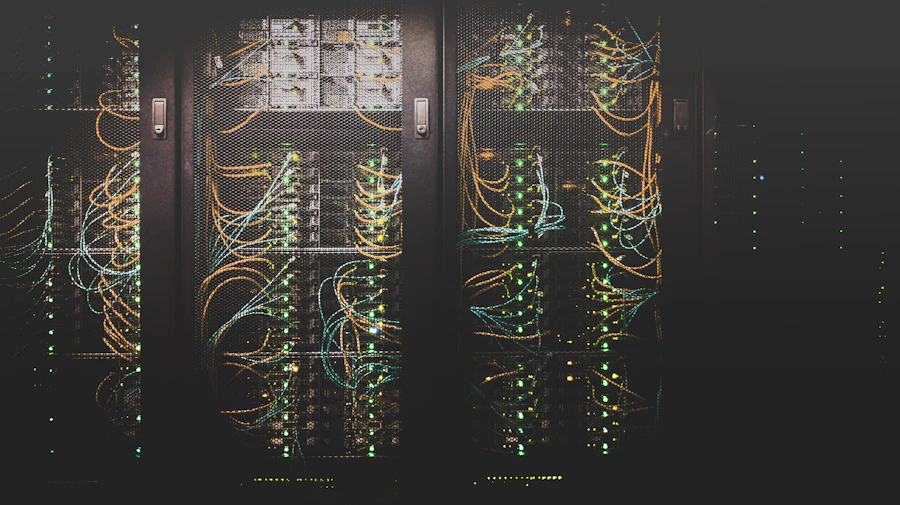
Sub-Millisecond Turbopack
Next.js 16 High-Speed Compiler
Instant HMR updates, optimized image compression, and zero-latency page transitions.

GPU-Accelerated 3D Motion
Hardware-Level WebGL Transforms
Hardware accelerated translate3d & rotate3d physics without main-thread jank.

Real-Time SaaS Analytics
PostgreSQL & Redis Stream
Sub-millisecond query caches, real-time live event streaming, and transactional safety.

AI Intelligence Pipeline
FastAPI + Gemini Streaming API
Live token streaming, vector database embeddings, and autonomous agent orchestration.
BuildingaWebsitein6 Crucial Phases
Every professional software engineering team adheres to this disciplined delivery pipeline to engineer fast, resilient web applications:
Planning, Wireframing & Design Systems
Before writing a single line of code, establish target user personas, information architecture, page count, and contrast ratios. Wireframing in Figma cuts frontend development refactoring time by over 50%.
Selecting the Architectural Tech Stack
Choose the appropriate technology primitives tailored to project goals: React 19 and Next.js 16 for UI, Tailwind CSS for tokenized styling, GSAP for kinetic physics, and Next.js Server Actions, Go, or Python FastAPI for backends.
Frontend Component Architecture & Motion
Construct modular UI components (Navbar, Hero, Grid Cards, Footer). Integrate GSAP timeline triggers for staggered typography and parallax image sliders to deliver an ultra-smooth 60 FPS user experience.
Backend Logic & Authenticated APIs
Sanitize form inputs with Zod schemas, orchestrate stateless user authentication (OAuth / Magic Links), process Stripe webhooks, and enforce API rate-limiting to protect backend services from abuse.
Relational Database & Memory Caching
Persist application records in PostgreSQL using Prisma or Drizzle ORM for full type safety. Cache frequent read queries in Redis to maintain sub-millisecond API response latency during traffic spikes.
CI/CD Automated Deployment & Edge CDN
Automate build pipelines with GitHub Actions. Connect Git repositories directly to Vercel, AWS, or Railway for instant global edge deployment, automatic SSL certificate provisioning, and zero-downtime rollouts.
WebEngineeringFrequently Asked Questions (FAQ)
Can I launch and deploy production websites 100% free?
Yes, you can launch full-stack applications with zero upfront hosting expenses! React and Next.js are open-source, GitHub provides free code repositories, Vercel and Netlify offer generous free edge hosting tiers with automated SSL certificates, and Supabase / Neon provide free serverless PostgreSQL databases. You only need to pay approximately $10-$12/year if you purchase a custom `.com` domain.
Should beginners start with Frontend or Backend development?
Start with Frontend (Semantic HTML, Modern CSS, TypeScript, and React). Frontend offers immediate visual feedback on screen, cementing developer intuition rapidly. Once you are fluent in component architectures and state management, progress into Backend engineering (APIs, Database schemas, and Serverless compute).
Do GSAP animations degrade website performance or Core Web Vitals?
No. GSAP is universally recognized as the fastest JavaScript motion engine. By targeting hardware-accelerated transforms (`translate3d`, `rotate3d`, `scale3d`), it bypasses expensive browser layout recalculations and offloads rendering directly to the GPU, maintaining a continuous 60 FPS without UI jank.
Start Building Your Next Production Web Project Today!
Compare benchmarked programming languages or take our interactive tech matcher quiz to determine your personalized engineering roadmap in 1 minute.